
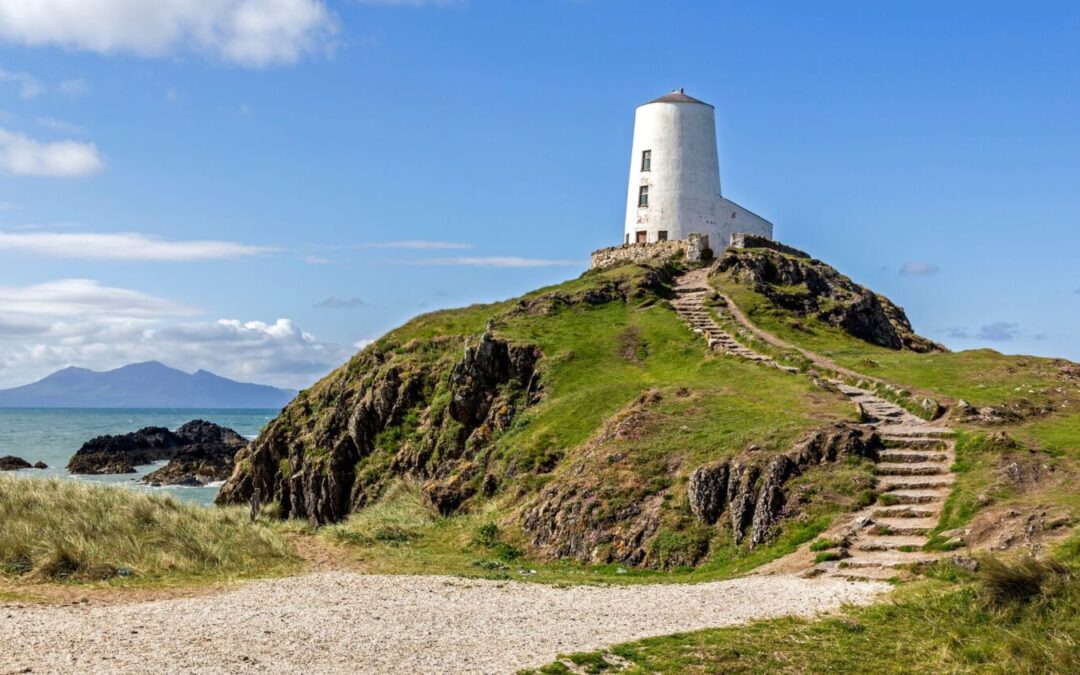
Tucked away off the northwest coast of Wales, the Isle of Anglesey is often overlooked by visitors racing between Snowdonia and the mainland coast, yet it holds some of the richest history, scenery and character in the whole of North Wales. Known in Welsh as Ynys Môn, meaning the Isle of Mon, Anglesey has earned the nickname Mother of Wales for the role its fertile land played in feeding the mainland for centuries. This guide explores what makes the island such a rewarding place to visit, and how to make the most of a day exploring it with North Wales Guided Tours.
Crossing Into a World of Its Own
Anglesey is separated from the mainland by the Menai Strait, a narrow stretch of water crossed by two remarkable bridges. The Menai Suspension Bridge, an engineering marvel of its time, offers a memorable introduction to the island, and the moment of crossing genuinely feels like entering somewhere distinct from the rest of Wales. As the mainland falls away behind, the road opens onto sweeping coastal views back towards the Snowdonia mountains, setting the tone for the rest of the journey.
The Coastline That Defines the Island
With around 125 miles of coastline wrapping around its edges, Anglesey offers one of the finest coastal circuits in Britain. The scenery shifts constantly along the way, from tranquil fishing villages and wide sandy beaches to dramatic rocky cliffs battered by the Irish Sea. Highlights along the coast include:
- South Stack, where dramatic cliffs and a historic lighthouse offer sweeping views back towards Snowdonia and, on a clear day, as far as the Irish coastline
- Beaumaris, with its brightly coloured seafront houses and imposing thirteenth century moated castle, built during the reign of Edward the First
- Penmon, home to the atmospheric ruins of an ancient priory, a well preserved historic dovecote, and views across to nearby Puffin Island
- Rhosneigr, a popular spot for its sandy beach and relaxed coastal charm
A Landscape Steeped in Ancient History
Long before castles and coastal towns shaped the island’s identity, Anglesey was home to Neolithic and Bronze Age communities, and evidence of their presence remains scattered across the landscape in the form of ancient burial mounds and standing stones. Among the most significant of these is a prehistoric monument often described as one of the most evocative archaeological sites in Britain, sitting beside the Menai Strait with magnificent views towards the mountains beyond. These megalithic remains, some dating back thousands of years, offer a fascinating counterpoint to the island’s later medieval and Victorian history.
The Village With the Longest Name in Britain
No visit to Anglesey feels complete without a stop at the village famously known by its shortened form, Llanfairpwllgwyngyll, though its full name runs to fifty eight letters and is widely recognised as the longest place name in Europe. The station sign has become one of the most photographed in the world, and a stop here typically comes with a lighthearted challenge to attempt the full pronunciation, along with plenty of local shops selling souvenirs bearing the famous name.
Grand Houses and Military History
Beyond its natural and prehistoric attractions, Anglesey is also home to notable stately architecture. One of the island’s grandest properties has long been associated with a distinguished military family, its grounds offering beautifully maintained gardens alongside a house rich in historical artefacts. A visit to a property like this adds a different dimension to an island tour, balancing rugged coastal scenery with a glimpse into the more refined side of Welsh history.
Industrial Heritage Worth Discovering
Anglesey’s history is not confined to castles and prehistoric monuments. The town of Amlwch, for example, was once at the heart of the copper mining industry, and today offers fascinating insight into the island’s industrial past alongside some genuinely striking coastal scenery. For visitors interested in how the island’s economy and communities evolved over the centuries, these industrial heritage sites provide a compelling and less commonly visited perspective.
Planning a Full Day on the Island
Given the range of attractions spread across Anglesey, a full day tends to work best for visitors wanting to properly experience the island rather than simply passing through. A well planned itinerary might combine a coastal highlight such as South Stack or Beaumaris, a prehistoric site, the famous long named village, and time at a stately home or garden, all woven together along the most scenic coastal roads available. Because distances on the island can take longer to cover than they might first appear, particularly along the more scenic but winding coastal routes, allowing generous time between stops helps avoid a rushed experience.
Why a Guided Approach Suits Anglesey So Well
Anglesey’s charm often lies in its quieter, lesser known corners, the kind of places that are easy to miss without genuine local knowledge. A guide familiar with the island can weave together its prehistoric sites, coastal viewpoints, historic villages and grand estates into a single, well paced day, while also sharing the stories and context that bring each stop to life. For visitors keen to properly experience everything the island has to offer, a guided tour of the Isle of Anglesey makes it far easier to see the very best of what is often described as one of Wales’s most underrated destinations, all without the stress of navigating unfamiliar coastal roads.
Final Thoughts
The Isle of Anglesey offers a rare combination of dramatic coastline, ancient history, medieval architecture and quiet island charm, all within easy reach of the North Wales mainland. Whether the appeal lies in prehistoric monuments, castle walls, wide sandy beaches or simply the novelty of a fifty eight letter village name, Anglesey rewards those who take the time to properly explore it, offering a genuinely different side to a visit to North Wales.
Recent Comments