
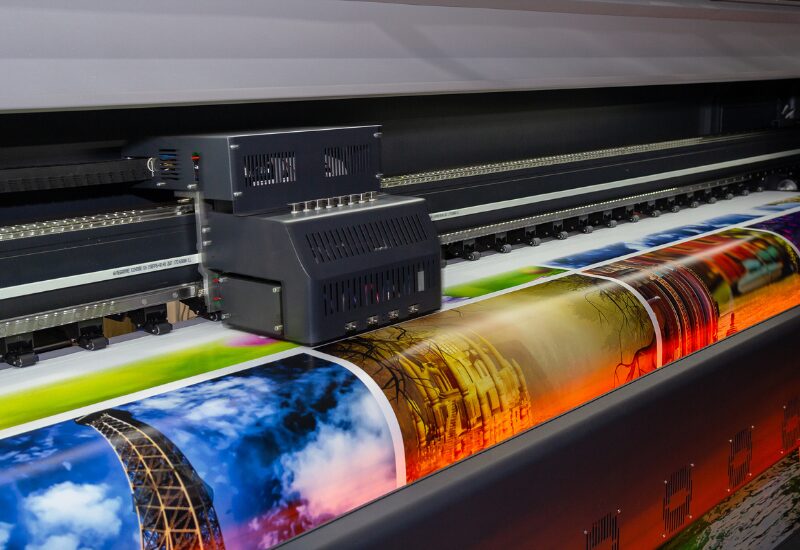
The personalised gift market is booming. Whether it’s a custom mug for a colleague’s leaving do, a printed hoodie for a sports team, or a photo slate for a wedding present, people are increasingly choosing something made just for them over something off the shelf. And the good news? Starting a business in this space has never been more accessible.
Understand the Technology
The backbone of most personalised gift businesses is dye sublimation printing. This process uses heat to transfer dye directly onto materials like mugs, t-shirts, phone cases, cushions, and keyrings, producing vibrant, long-lasting results that won’t crack or peel like standard transfers.
To get started, you’ll need three key pieces of kit: a sublimation printer, sublimation inks, and a heat press. You’ll also need a stock of blank printable products to print onto. Suppliers like Nova Chrome UK offer everything from starter kits through to professional setups, making it straightforward to find the right equipment for your budget and ambitions.
Choose Your Niche
The personalised gift market is broad, so it pays to narrow your focus early. Some popular niches include weddings and events, sports clubs, corporate gifting, and local or themed keepsakes. Starting with one or two product types lets you build confidence, refine your process, and develop a portfolio before expanding.
Set Up Your Workspace
One of the biggest appeals of this business model is that you can run it from home. A spare room, a garage, or even a large shed can work well. Your heat press will need a stable, heat-resistant surface and good ventilation, but the setup is compact enough that many people run successful businesses from relatively small spaces.
Create Your Designs
You don’t need to be a professional graphic designer to succeed. Free tools like Canva handle many basic personalisation jobs, and software like Adobe Illustrator or Affinity Designer gives you more control as you grow. Many customers will supply their own photos or text, your job is to arrange and prepare the artwork ready for printing.
Price Your Products Correctly
Factor in your materials, equipment wear, design time, and packaging when setting prices. Personalised gifts typically carry a healthy margin because customers are paying for the uniqueness, not just the object. Research what similar products sell for on platforms like Etsy or Not On The High Street to gauge the market before you commit to a price list.
Find Your Customers
Start local, friends, family, community Facebook groups, school fairs, and market stalls are all excellent early proving grounds. Build a simple website or an Etsy shop to reach customers beyond your immediate area. Social media, particularly Instagram and TikTok, works well for this type of business because the products are visual and the personalisation revealed is highly shareable.
Keep Overheads Low
One of the smartest moves early on is to print to order rather than holding lots of stock. Keep a selection of popular blanks on hand, but resist the urge to over-invest in inventory before you know what sells. As you grow, you’ll develop a clear picture of your bestsellers and can stock accordingly.
The Bottom Line
A personalised gift business can be started with a modest initial investment and grown at whatever pace suits your life. The combination of low overheads, healthy margins, and consistent demand makes it one of the more realistic home business opportunities around today. Whether you want to replace a salary, supplement your income, or turn a creative hobby into something that pays, it’s well worth exploring.
To find out more about the equipment and materials you need to get started, visit Nova Chrome UK, a trusted sublimation specialist with over 30 years of experience supplying businesses of all sizes.
Recent Comments