
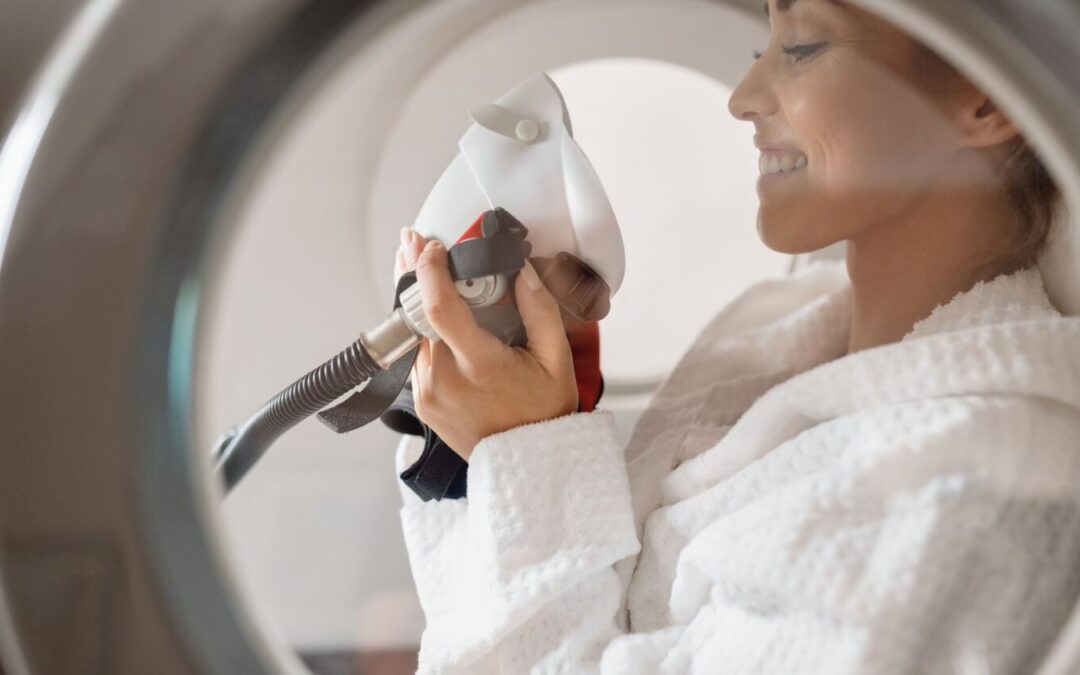
Hyperbaric oxygen therapy has long been the preserve of hospital hyperbaric units, treating divers with decompression sickness and patients with complex wound-healing problems. But over the past decade or so, HBOT has moved into a much wider conversation, one that encompasses sports recovery, long COVID, brain health, chronic fatigue and the broader world of preventative and optimisation-focused wellness.
With that expansion has come both genuine excitement and, inevitably, some overclaiming. This article takes a measured look at where the evidence for benefits of Hyperbaric Oxygen Therapy currently stands, examining what is well supported, what is emerging and what remains speculative, so that anyone considering the therapy can make an informed decision.
Why Oxygen Matters So Much
To appreciate the therapeutic logic of HBOT, it helps to think about how central oxygen is to virtually every process in the human body. Every cell, tissue and organ depends on a continuous supply of oxygen to generate energy, repair damage and carry out its functions. When oxygen delivery is disrupted, whether through injury, illness, poor circulation or the physiological changes associated with ageing, the consequences ripple through multiple body systems simultaneously.
Conventional oxygen delivery is almost entirely dependent on haemoglobin. Red blood cells pick up oxygen in the lungs and release it in the tissues, a system that works beautifully under normal circumstances but has inherent limitations. Damaged or inflamed tissue is often poorly perfused, meaning the blood simply cannot get through in sufficient quantities to support optimal healing. Hyperbaric oxygen therapy sidesteps this limitation by dissolving oxygen directly into the blood plasma, allowing it to reach tissues that the red blood cells cannot.
This is not a minor effect. At pressures used in therapeutic HBOT, the amount of oxygen dissolved in plasma can increase dramatically compared to breathing air at normal atmospheric pressure. That additional oxygen carries real physiological consequences.
What the Evidence Supports
Wound healing. The strongest and most consistent body of evidence for HBOT is in the treatment of chronic, non-healing wounds, particularly diabetic foot ulcers and wounds complicated by arterial disease or radiation damage. Multiple randomised controlled trials and systematic reviews support its use in these contexts. The mechanisms are well understood: increased oxygen delivery promotes angiogenesis (the formation of new blood vessels), stimulates fibroblast activity (the cells responsible for producing collagen and repairing tissue), and creates an environment hostile to the anaerobic bacteria that commonly colonise chronic wounds.
Decompression sickness and arterial gas embolism. This remains the most firmly established indication for HBOT, with decades of clinical experience and a clear, well-understood mechanism. Recompression in a hyperbaric chamber physically reduces the size of gas bubbles in the blood and tissues, while elevated oxygen accelerates their elimination and addresses the resulting tissue hypoxia.
Carbon monoxide poisoning. The evidence here is robust and the mechanism clear. Breathing high-concentration oxygen under pressure dramatically accelerates the dissociation of carbon monoxide from haemoglobin and reduces the neurological damage associated with poisoning.
Radiation necrosis. For patients who develop bone or soft tissue damage as a late complication of radiotherapy, HBOT has a well-established role. It promotes new blood vessel formation in irradiated tissue, which is characteristically poorly vascularised, and has been shown to improve outcomes significantly in conditions such as mandibular osteoradionecrosis.
What the Emerging Evidence Suggests
Beyond these established indications, a growing body of research is exploring HBOT in contexts that are less definitively settled but increasingly compelling.
Traumatic brain injury and stroke. The brain is the organ most acutely sensitive to changes in oxygen availability. Research into the use of HBOT following traumatic brain injury and stroke has produced some encouraging results, with studies suggesting improvements in neurological function, cognitive performance and quality of life. The proposed mechanisms include reduced cerebral oedema (swelling), improved neuroplasticity and the stimulation of angiogenesis in areas of the brain with reduced blood flow. This is an active area of research and the evidence base is growing, though it is not yet at the level that would support universal recommendation.
Post-COVID syndrome. One of the more significant developments in HBOT research in recent years has been the exploration of its potential role in managing the persistent symptoms associated with long COVID. Several small but well-designed trials, including work published in reputable peer-reviewed journals, have reported improvements in cognitive function, fatigue, sleep quality and quality of life in patients receiving a course of HBOT compared to those receiving a sham treatment. The theoretical basis is consistent with what is known about the underlying pathophysiology of long COVID, which appears to involve mitochondrial dysfunction, impaired oxygen utilisation and persistent microinflammation.
Sports performance and recovery. The use of HBOT in elite sports is well established in practice if less definitively resolved in the research literature. The theoretical case is strong: elevated oxygen delivery to muscle tissue reduces post-exercise inflammation, accelerates the repair of exercise-induced micro-damage and supports faster recovery between training sessions. A number of studies in both professional athletes and recreational exercisers have reported measurable improvements in recovery markers, though the research is not yet extensive enough to make definitive claims about the magnitude of benefit.
Cognitive ageing and brain health. One of the more intriguing recent research threads involves the use of HBOT in healthy older adults, not to treat a specific condition but to address the physiological changes associated with brain ageing, including reduced cerebral blood flow and declining mitochondrial function. A study published in the journal Aging in 2020 reported significant improvements in cognitive performance and brain perfusion in a group of healthy older adults following a course of HBOT. The researchers also reported that telomere length (a marker of cellular ageing) increased and that the proportion of senescent immune cells decreased, findings that attracted considerable scientific attention. Replication and further research are needed, but the direction of travel is notable.
Fibromyalgia and chronic pain. Some research has explored the use of HBOT in fibromyalgia, a condition characterised by widespread pain, fatigue and cognitive difficulties for which effective treatments remain limited. A randomised controlled trial published in PLOS ONE found significant improvements in pain, tender point count and quality of life in fibromyalgia patients following a course of HBOT, with associated changes in brain activity on imaging. This is a relatively small body of evidence but one that is clinically meaningful to anyone living with this condition.
What Remains Speculative
It is important to be honest about the areas where the evidence is thinner or the claims more extrapolated than the research currently supports.
Some of the anti-ageing and aesthetic applications of HBOT, while theoretically plausible and superficially consistent with the known mechanisms, are not yet backed by meaningful clinical research. The same is true of some of the broader immune-boosting and general wellness claims. This does not mean these effects do not exist, but it does mean they should be approached with appropriate scepticism until better evidence is available.
It is also worth noting that the research literature on HBOT involves some variability in the pressures and protocols used, which makes direct comparisons between studies difficult. The pressure used, the duration of sessions, the number of sessions, and the specific condition being treated all interact in ways that are not yet fully understood. This complexity is one of the reasons definitive conclusions are harder to draw in some areas than others.
Having a Realistic Conversation About HBOT
For anyone considering hyperbaric oxygen therapy, the most important thing is to approach it with clear, honest information. HBOT is not a cure-all, and responsible practitioners will not present it as one. But for a growing range of applications, the evidence is genuinely encouraging and the physiological rationale is sound.
A good starting point is a thorough consultation with an experienced practitioner who can discuss your specific situation, explain what the evidence does and does not support in your case, and help you understand what a realistic course of treatment would look like. HBOT works best as part of an integrated approach to health, complementing rather than replacing other appropriate interventions.
The increasing availability of HBOT in well-run complementary health clinics across the UK means that more people than ever are able to access this therapy outside of a hospital setting. For those in North Wales and the surrounding region, finding a clinic with properly maintained equipment, trained staff and a genuinely clinical approach to patient assessment and care is the most important factor in ensuring that the experience is both safe and beneficial.
Practical Considerations
How many sessions are needed? This depends entirely on the indication and the protocol being followed. For some applications, clinical protocols typically involve a substantial course of sessions delivered over several weeks. For wellness and recovery purposes, shorter courses are often used, sometimes with maintenance sessions thereafter.
Is it safe? When properly administered by trained practitioners using well-maintained equipment, HBOT has an excellent safety record. Side effects are generally mild and may include temporary ear discomfort during pressurisation and, rarely, a slight change in vision that resolves after treatment. Serious complications are uncommon when appropriate screening and protocols are followed.
How do I know if it is right for me? A thorough consultation with a qualified practitioner is the only reliable way to assess whether HBOT is appropriate for your particular circumstances. This should include a review of your medical history, current medications and specific health goals.
Can it be combined with other therapies? In most cases, yes. HBOT is commonly used alongside other complementary and conventional treatments, and in many cases the combination may be more effective than either approach alone. An integrated clinic with a range of practitioners is well placed to advise on how different therapies might work together to support your health goals.
Recent Comments