
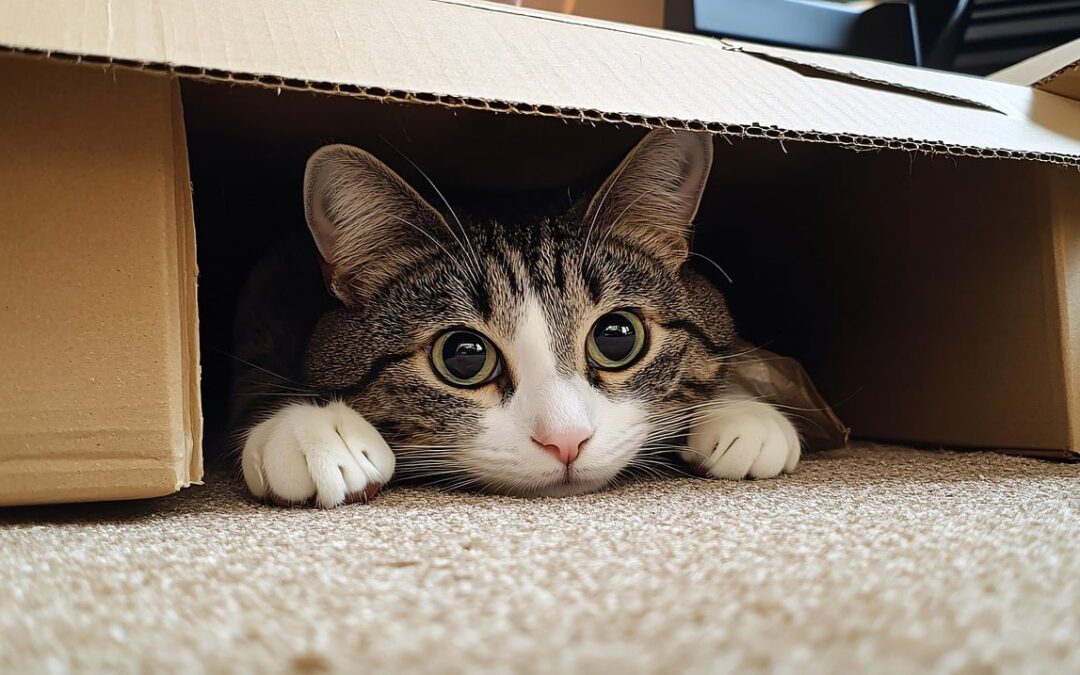
Moving can be an exciting yet overwhelming time for anyone. For our pets, however, the process can be confusing and even distressing. Animals thrive on routine, and the sudden changes in their environment, people, and smells can trigger anxiety. Fortunately, with a bit of planning and some pet-friendly moving tips, you can make the transition alongside removal company Colwyn Bay smoother for your furry family members.
1. Pre-Move Preparations
Start preparing your pet early. The more accustomed they become to certain aspects of the moving process, the less likely they are to be startled by the sudden changes on moving day.
- Familiarise with Moving Supplies: Introduce your pet to moving supplies a few weeks in advance. Let them sniff around boxes and moving materials, so they don’t see them as a threat.
- Update ID Tags and Microchip Information: Ensure that your pet’s collar ID tags and microchip details are up to date with your new address and contact information. This precaution is especially helpful if they become nervous or attempt to run away.
- Establish a Safe Space: Designate a quiet room in your current home with familiar items, such as their bed, toys, and food to serve as a sanctuary during the packing chaos. Let them spend extra time here to reduce exposure to the packing process.
2. Planning Moving Day Logistics
On the big day, it’s crucial to create a safe, low-stress environment for your pet.
- Keep Them in a Separate Room: During the busiest hours, place your pet in a separate, quiet room with the door closed. This keeps them from wandering or getting hurt among the movers, boxes, and heavy furniture.
- Pet Transport Essentials: Plan how your pet will travel to the new location. For cats and small dogs, a comfortable carrier with their favourite blanket or toy can help reduce anxiety. If you’re travelling a longer distance, schedule regular breaks to give your pet a chance to stretch, hydrate, and relieve themselves.
- Stick to Routine: While you might be overwhelmed, try to keep your pet’s feeding, walking, and play schedule as normal as possible. Maintaining this routine offers comfort and reduces stress.
3. Settling Your Pet into Their New Home
The first few days in a new environment are critical for your pet’s adjustment. Taking a few simple steps can make this phase easier for them.
- Set Up a Familiar Space: Designate a quiet room in your new home as your pet’s initial “home base.” Set it up with their bed, toys, food, and water to give them a familiar spot where they can decompress and feel secure. Gradually introduce them to other areas of the house as they become more comfortable.
- Reintroduce Routine Gradually: Re-establish your regular feeding and exercise schedule as quickly as possible. This consistency can help your pet feel more at home and less anxious in the new space.
- Explore the New Space Slowly: Allow your pet to explore the new home gradually. Let them roam one room at a time, giving them a chance to acclimate at their own pace. Cats, in particular, may feel overwhelmed in larger spaces, so letting them adapt gradually can reduce stress.
4. Special Considerations for Dogs and Cats
Different types of pets react to moves in different ways, so it’s essential to cater to their specific needs.
For Dogs:
- Walk the New Neighbourhood: Once you’re settled, take your dog on frequent walks around the new neighbourhood to help them get acquainted with the smells, sounds, and sights of their new surroundings. This is a great way to build familiarity.
- Provide Extra Comfort and Attention: Your dog may look to you for reassurance, so be generous with attention, treats, and playtime. This will help them feel more secure.
For Cats:
- Gradual Room-by-Room Exploration: Cats are generally more sensitive to changes than dogs, so introduce them to the new house one room at a time.
- Use Calming Aids: Consider using synthetic pheromones like Feliway, which mimic a calming scent for cats, to help them adjust. Spraying it in their new space can have a calming effect.
5. Handling Moving Day with Exotic Pets
If you have exotic pets, such as birds, reptiles, or small mammals, additional care may be needed.
- Monitor Temperature and Lighting: Many exotic pets are sensitive to temperature changes, so ensure that they are kept in climate-controlled areas during the move. For reptiles, ensure that their heat source is functional throughout the transition.
- Familiar Enclosures: Move your exotic pets in their usual enclosures as much as possible to minimise disruption. Ensure their habitats are secure and safely positioned in the vehicle.
6. After the Move: Watch for Signs of Stress
After moving, keep a close eye on your pet for signs of anxiety or stress, which may include:
- Changes in appetite
- Excessive hiding or clinginess
- Changes in grooming habits or accidents indoors
If these symptoms persist, you might consider consulting your veterinarian. They can offer advice and possibly recommend calming aids or other supportive measures to help ease the transition.
While moving with pets can be a challenge, a calm and mindful approach will make the transition smoother for everyone involved. Preparing in advance, maintaining familiar routines, and offering comfort and security can make all the difference. With a bit of patience and extra care, your pets will soon settle in and make themselves right at home in your new space.
Remember, a happy pet means a happier move for everyone.
Recent Comments